
The Most Expensive Problems Often Start With Assumptions
Many sourcing problems don’t begin on the factory floor.
They start much earlier, when buyers assume a supplier can do something without taking the time to verify it. Maybe the factory claims it has experience with a particular product category. Maybe production capacity sounds impressive during initial conversations. Perhaps certifications are mentioned but never properly reviewed.
Everything seems fine in the early stages.
Then production begins, deadlines get closer, and the gaps start to appear.
That’s why experienced importers spend considerable time gathering information before placing significant orders. The cost of verification is usually much lower than the cost of discovering problems halfway through production.
A Professional Website Doesn’t Tell the Full Story
These days, almost every supplier has an online presence.
Websites look polished. Product photos look professional. Company profiles highlight years of experience and impressive capabilities.
None of that is necessarily inaccurate.
The challenge is that websites are designed to attract customers, not provide a complete picture of day-to-day operations. They rarely reveal production bottlenecks, staffing challenges, quality control weaknesses, or capacity limitations.
That’s where deeper verification becomes valuable. Buyers need to understand what happens behind the marketing materials, not just what’s presented during the sales process.
Manufacturing Capability and Manufacturing Capacity Are Different
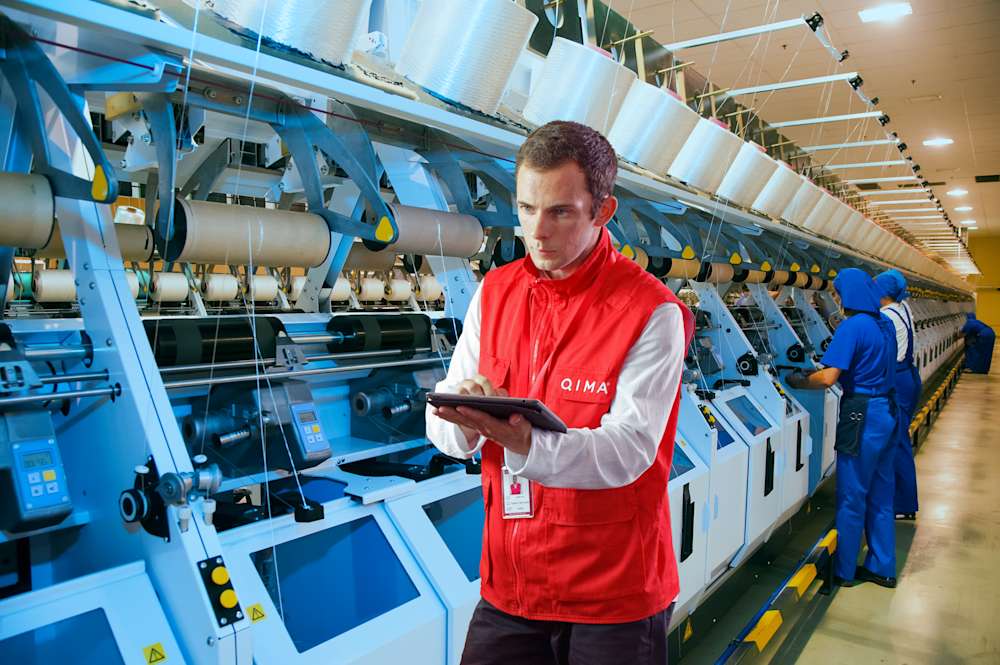
A supplier may be fully capable of producing a product.
That doesn’t automatically mean they can produce it at the volume you require.
This distinction causes more sourcing issues than many people realize. A factory might deliver excellent results on smaller orders but struggle when production scales. Equipment limitations, workforce constraints, and scheduling pressures can all affect performance as order sizes increase.
Verifying a supplier means understanding both capability and capacity. Ignoring either one can lead to delays, quality inconsistencies, or missed delivery commitments later.
Communication Often Reveals More Than Buyers Expect
One of the easiest ways to learn about a supplier is simply through the communication process itself.
How quickly do they respond? Do they answer questions directly? Are technical discussions detailed and specific, or do responses remain vague? Do they ask clarifying questions when requirements are unclear?
Strong suppliers tend to communicate clearly because they want to avoid misunderstandings later.
Suppliers that constantly provide incomplete answers or avoid specific questions may be creating unnecessary risk before production has even started.
Verification Creates Better Decision-Making
The goal isn’t to find reasons to reject suppliers.
The goal is to make informed decisions.
When businesses take steps to verify suppliers in China, they gain a clearer understanding of who they’re working with, what risks may exist, and whether the supplier is a good fit for the project. Sometimes the verification process confirms everything looks strong. Other times it reveals concerns that deserve further attention.
Either outcome provides valuable information.
Making sourcing decisions with accurate information is almost always preferable to relying on assumptions.
Long-Term Relationships Start With Transparency
Strong supplier relationships are built on trust.
But trust doesn’t appear overnight. It develops through transparency, consistency, and reliable performance over time.
Verification helps establish that foundation. Buyers gain confidence in the supplier’s capabilities, while suppliers understand that expectations are being taken seriously from the beginning.
That often leads to smoother communication, fewer misunderstandings, and stronger cooperation as the relationship grows.
Prevention Is Usually Easier Than Recovery
Most sourcing professionals eventually learn the same lesson.
Fixing problems after they occur is difficult. Preventing them is usually much easier.
A delayed shipment can be expensive. A quality issue discovered after products arrive can be even more costly. Replacing suppliers in the middle of a project creates its own challenges.
Early verification won’t eliminate every possible risk, but it can significantly reduce the likelihood of unpleasant surprises later.
For businesses sourcing internationally, that proactive approach often pays for itself many times over.